
Uganda
Uganda is set amongst the great lakes and rivers in the Nile basin but is not immune to the impact of the climate crisis. Average temperatures have increased since the 1960s, rainfall is unpredictable and droughts are increasing.
Sixty-nine percent of Ugandans depend on subsistence farming on fragments of land, and population pressure drives environmental degradation, national forest cover has halved in the decade to 2018, and is now just 9.5%.
The challenges and opportunities for Ripple Effect in Uganda
78% of our population are under 30
Uganda is a young country. There are 31.2 million children and young people who can provide a more than ample workforce now and in the future. In fact, Uganda has been described as one of the most entrepreneurial countries in the world. But the population bulge also presents a growing problem, with youth unemployment of more than 13%, and the lack of jobs creating the potential for dissatisfaction.
To encourage young people to stay in rural communities they must have opportunities to flourish there. Ripple Effect works to build entrepreneurial outlooks and increase agri-business skills so that young people can be creative and adventurous, and generate income for themselves.
Uganda hosts the largest refugee population in Africa (the third-largest in the world).
For decades Uganda has responded to conflicts in surrounding countries with a progressive and welcoming refugee policy that is applauded internationally. From January-May 2022 alone Uganda received over 35,000 new arrivals fleeing war and persecution in South Sudan and the Democratic Republic of the Congo, bringing the total number of displaced people to 1.5 million. In some districts refugees outnumber the host population. It costs approximately $2 billion every year to support these communities, and there is a danger that Uganda’s resources may be overwhelmed.
But refugees are highly motivated to build better lives for themselves and our project in Kyegegwa and Isingiro, Western Uganda, builds sustainable livelihoods based on the land grants made to refugees in these districts.
Women contribute 80% of the agricultural labor force.
In common with other countries where Ripple Effect works, the overwhelming majority of farmers in Uganda are women. But although they provide the food for their households and are the backbone of our rural economy, only 7% of women own the land they work on, and women receive only 20% from what they produce.
There are enormous opportunities for Uganda’s GDP if these hardworking women gain control of these key production resources and have access to markets where they can earn income. All of Ripple Effect’s projects in Uganda focus on women farmers as an entry point to participating households.
The impact of Ripple Effect Uganda
- Household income increased from $0.24 per day to $3.58 in a project in Amuru
- 30,000 trees planted in a Living with Wildlife project
- 93% experienced less than two “hunger” months a year after a project in Amuru
Our government’s national targets
Uganda’s National Development Plan (NDPIII 2020), goal is “Increased household incomes and improved quality of life.” Key results to be achieved by 2025 are:
- Poverty rates reduced from 21.4% to 14.2%
- Income inequality reduced from 0.41 to 0.38
- Agricultural sector to grow from 3.8% to 5.1%
- Youth unemployment reduced from 13.3% to 6.6%
- Households dependent on subsistence agriculture reduced from 68.9% to 55%;
How Ripple Effect in Uganda’s strategy addresses these targets
- We will increase market access for farmers, promote community social enterprises and encourage knowledge-sharing to develop farmer skills.
- We are prioritizing good management of natural resources to support communities in regenerating and protecting their local environment.
- To engage our young population, we are focusing on access to business opportunities and supporting the growth of farming as a viable and attractive business
- We prioritize working with women (50% of Uganda’s population), young people, orphans and vulnerable children (80% of Uganda’s population) and refugees (1.5 million).
- We are focusing on the sub regions identified by the National Development Plan as having high poverty rates and land available for agricultural production: West Nile, Acholi, Lango, Bugisu, Bukedi, Busoga, Teso, southwestern, mid-western and Central
Our partnerships
World Food Programme
Project: Kyegegwa and Isingiro Inclusive Livelihoods and Enterprise Development
Sustain for Life
Projects: Kumuli Sustainable Livelihoods 2016-18, Amuru Disability Mainstreaming (ADIMAP) 2018-21

Foreign, Commonwealth, and Development Office
Project: Living with Wildlife
We are also exploring opportunities for us to partner with the Uganda government as sub-contractors.
Uganda Staff
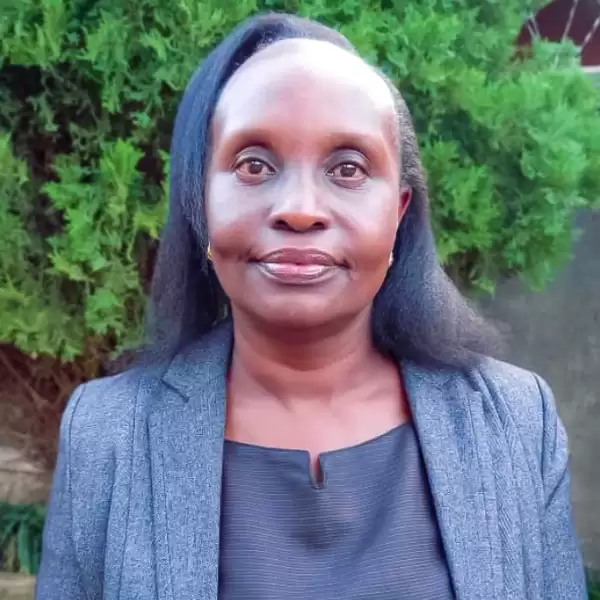
Country Director
Pamela Ebanyat
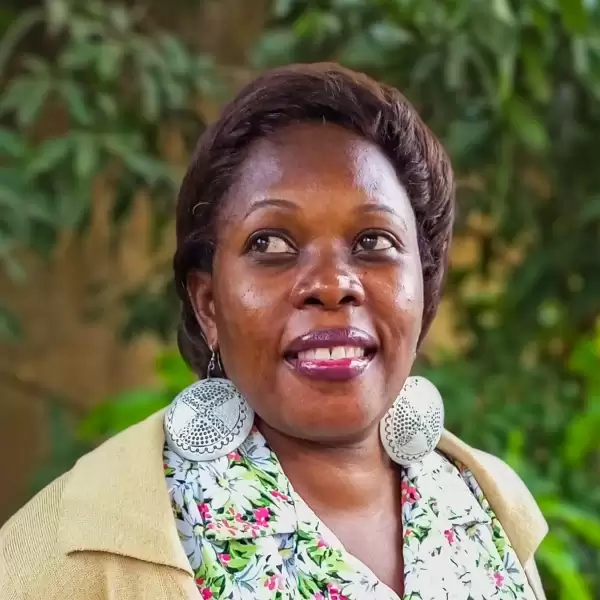
Program & Partnership support manager
Roselyn Akiiki Emuna

Program funding manager
Alex Bagora

Finance manager
Kenneth Okumu
Contact
For more information, contact Steven Kleiber, Vice President and U.S. Lead, Ripple Effect U.S.
Email: steven.kleiber@rippleeffectus.org
Phone: (330) 990-8935
Sign up to hear more
Want to hear good news stories from Africa, get involved in fantastic fundraising and be part of exciting events? Fill out your details below and we will keep you updated by email.
By providing your email address above, you are confirming that you would like for Ripple Effect U.S. to contact you by email. We will use your email to let you know about news, events, fundraising and appeals. We will never sell or trade your details. Read more about how we value your privacy. You can unsubscribe at any time by clicking the unsubscribe link in any email we send.