
Rwanda
This small, mountainous country is sometimes called the land of a thousand hills, or the Little Switzerland of Africa, but this is also the most densely populated nation in Africa. The geography is a challenge to growing food. Agriculture is vital to the economy, and accounts for 90% of national food needs. Rwanda has made great strides in combating extreme poverty, which has been reduced from 40% in 2000 to 5.4% in 2024 but further progress is limited by the challenges to our agricultural sector.
The challenges and opportunities for Ripple Effect Rwanda
50% of our farmers have less than 1 acre of land
Ninety percent of Rwandan land is on hillsides. Population pressure means that ownership of available farmland is fragmented (most people own tiny plots of land, or are landless), and soil is exhausted and vulnerable to erosion. It’s estimated that 1.4 million tons of topsoil are lost every year.
Ripple Effect in Rwanda is promoting farming techniques and innovations that increase productivity on small areas of land while conserving soil fertility and controlling erosion. Our agro-ecological climate positive approach works with natural systems and improves soil health.
The climate crisis is making rains unpredictable and making drought and floods more frequent.
In a 2018 Comprehensive Food Security and Vulnerability Assessment, around 40% of households reported that their access to food had been affected by at least one “shock” or uncommon situation during the previous 12 months. The most frequently reported shocks, mainly affecting the Eastern and Southern provinces, were weather-related: drought, irregular rains, or prolonged dry spells.
44% of children under five have stunted growth due to malnutrition.
Despite the economic improvements of the last two decades, poverty remains widespread, and many people remain at risk of food insecurity, malnutrition and undernourishment. Twenty percent of Rwandan households are food insecure.
Ripple Effect in Rwanda is building the resilience of farmers and their communities to climate change, by ensuring their ecosystems are properly protected and maintained to meet their immediate needs and those of future generations. Program measures include constructing terraces and contour ditches, irrigation powered by solar energy, promoting re-forestation and agro-forestry, and introducing energy-saving stoves and renewable energy.
The impact of Ripple Effect in Rwanda
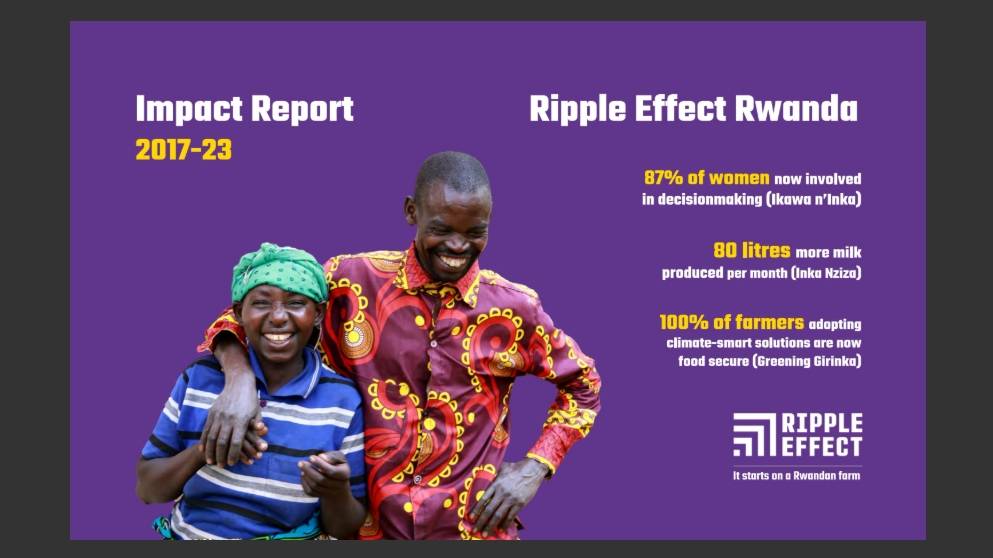
- 99% of farmers became food secure after two years in the Ripple Effect dairy development project
- 74% of our project participants who were marginalized now say they are included and empowered, and have access to resources
- Income increased from $1.39 per person per day to $2.24, bringing families above the international poverty line
How our work supports Rwanda’s Sustainable Development Goals and national targets
Our work contributes to Rwanda’s National Strategy for Transformation (NST1) and the Strategic Plan for Agricultural Transformation (PSTA 4), with a focus on:
Improving and increasing agriculture and livestock productivity
We are tackling malnutrition linked to poverty by increasing access to diverse and nutritious food.
Our training programs develop farmers’ skills and self-confidence and increase knowledge-sharing and good practice, leading to increased crops and livestock productivity.
Sustainable environmental and natural resources management
Our programs promote integrated agriculture and livestock farming and agroforestry, improving soil conservation and soil erosion control, rainwater harvesting and efficient water use.
Scaling up these technologies is establishing sustainable natural resource management practices across wider communities and enabling farmers to be more resilient to climate shocks.
Enhancing resilience to shocks and graduation from poverty and extreme poverty
Our integrated training facilitates the fundamental mindset changes on savings and investment practices that are necessary to establish reliable and diverse income-generating activities.
Our focus on market analysis and developing market access enables people to create jobs for themselves and others, reducing poverty within families and across communities.
How partners support our projects…
- Inka Nziza Zikama (Dairy for Development) funded by Jersey Overseas Aid
- Empowering Coffee Communities funded by the Starbucks Foundation
- Orora Neza (Dairy Development) funded by Arab Gulf Fund / Agfund
- Rwamagana Widows Empowerment funded by Bóthar
Our partners…
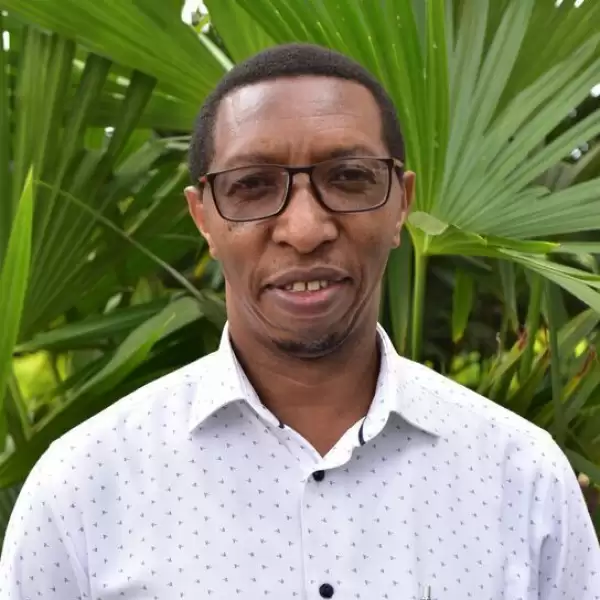
Country Director, Rwanda
Laurent Munyankusi
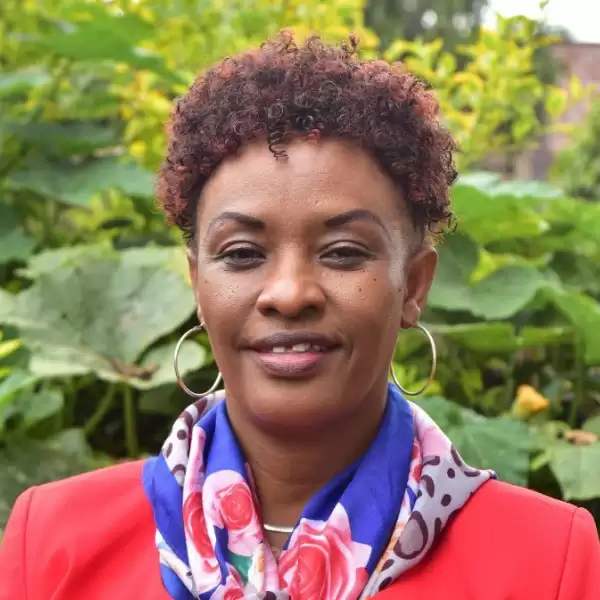
Program development & support manager
Angelique Barongo

Program funding manager
Donna Akariza Ajambo
Contact
For more information, contact Steven Kleiber, Vice President and U.S. Lead, Ripple Effect U.S.
Email: steven.kleiber@rippleeffectus.org
Phone: (330) 990-8935
Sign up to hear more
Want to hear good news stories from Africa, get involved in fantastic fundraising and be part of exciting events? Fill out your details below and we will keep you updated by email.
By providing your email address above, you are confirming that you would like for Ripple Effect U.S. to contact you by email. We will use your email to let you know about news, events, fundraising and appeals. We will never sell or trade your details. Read more about how we value your privacy. You can unsubscribe at any time by clicking the unsubscribe link in any email we send.