
Our Transformative Household Methodology
We have developed a highly effective process that we use in all our programme implementation, which exposes the imbalances in workloads and decision-making in home and the wider community, and gives women greater voice and influence.
What is the Transformative Household Methodology (THM)?
This slightly cumbersome term refers to the tool we have developed to successfully engage families in gender discussions and break down gender inequities.
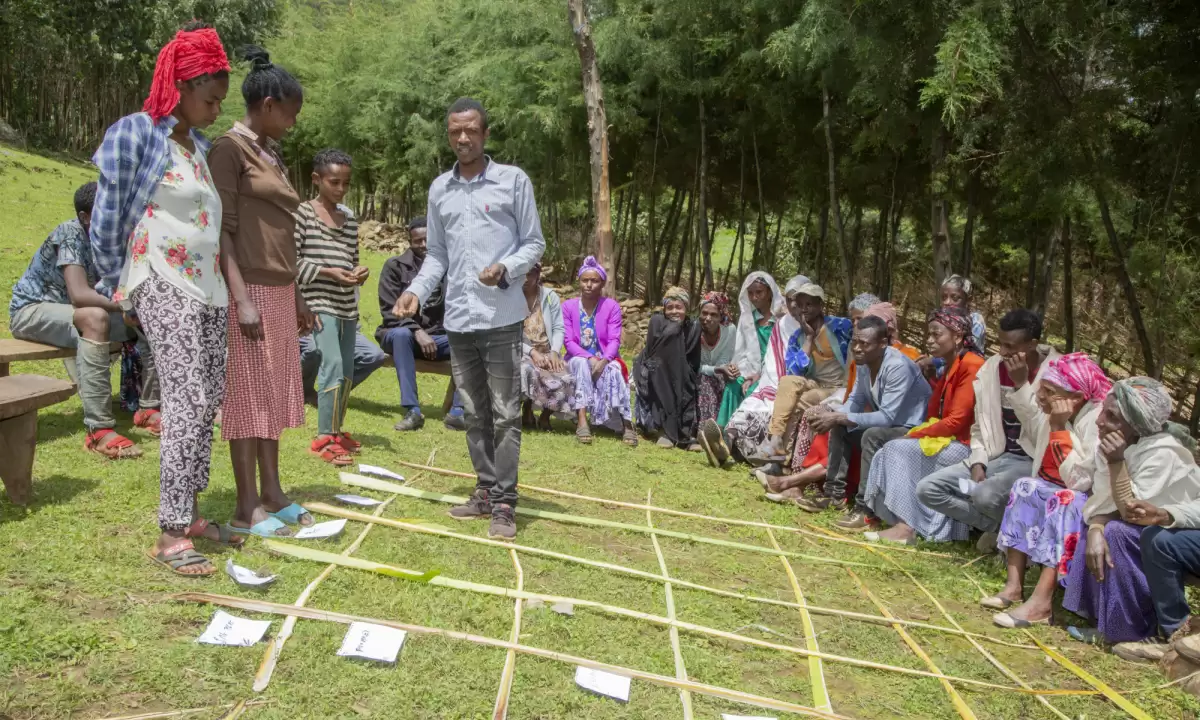
During a THM session, everyone identifies their roles and responsibilities, such as the work they do (fetching water, weeding the fields…) or the control they have over resources (such as the family’s money, or deciding which crops are planted).
Using simple props to represent all these roles in a grid on the ground is a highly visual representation of key roles. There is seldom much disagreement about who-does-what, but the overall burden of work, contrasted with decision-making, becomes apparent to everyone.
Our trained facilitators don’t tell families what to do to improve gender relations in their household. Families propose their own solutions and develop action plans to achieve the change they want to see, which gives them a sense of accountability and ownership over the process.
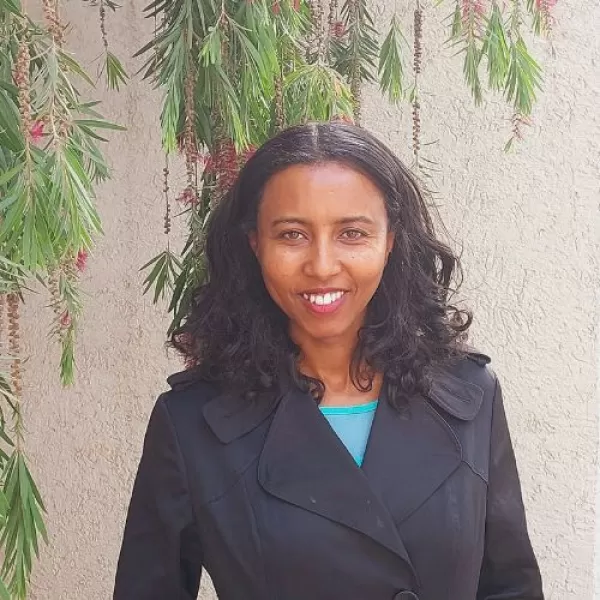
“After training I cultivated part of my compound and backyard. I started harvesting vegetables a month after I planted. Now I am earning money and saving. I hope to have more land to grow on.”
Athanasie, Farmer, Rwanda
What makes THM so effective?
The process is well-founded in theory and practice, but the work with families involves going to individual households and doing practical exercises which are easy to understand, and produce quick and visible results as families implement the changes they agree on.
Men who may find it challenging to see how their wives are unfairly burdened nonetheless may have observed as children how their own mothers were overworked and disempowered. When these insights are supported they can be powerful drivers of change.
We see the profound impact of women becoming more involved with decisions on how money will be used, and also see men taking on tasks such as cooking, typically seen as a woman’s work,.
THM’s impact is inter-generational
Everyone participates, including older relatives and children who are old enough to understand how things work in the home.
The result of this is long-lasting inter-generational change, with children and young adults learning new behaviours to replace the traditional attitudes they may have seen adults perpetuating.
The results of THM
We know that fairly-shared work and decision-making is improving farm yields in parts of Africa.
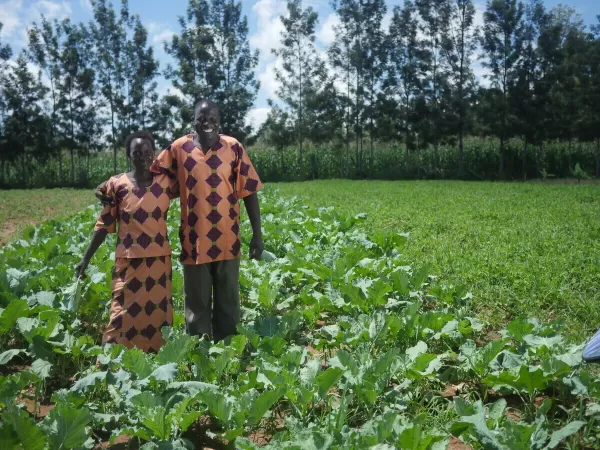
In Busia and Bungoma, Kenya, 77% of women reported full involvement in deciding which crops would be grown, up from 23%.
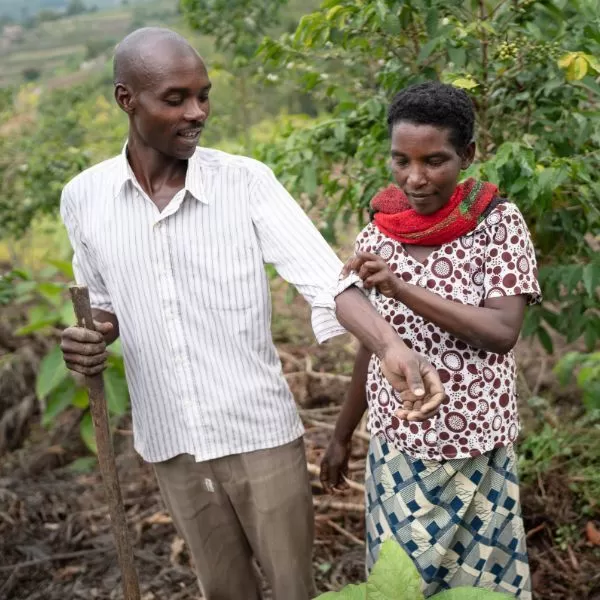
“We do the farm work together and my husband and children also help with fetching water, gathering grass for the cows and other household chores. Before we started working with Ripple Effect, we were not living peacefully. I am most proud of our new family harmony; that has changed everything.”
Dina & Jean-Baptiste, Nyanza district, Rwanda
Download Our Training Manual
Read our research-led THM training manual, funded by the IDEAL Gender & Nutrition Research Project.
Sign up to hear more
Want to hear good news stories from Africa, get involved in fantastic fundraising and be part of exciting events? Fill out your details below and we will keep you updated by email.
By providing your email address above, you are confirming that you are happy for Ripple Effect to contact you by email. We will use your email to let you know about news, events, fundraising and appeals. We will never sell or trade your details. Read more about how we value your privacy. You can unsubscribe at any time by emailing info@rippleeffect.org or by clicking the unsubscribe link in any email we send.